Best Gambling Sites UK: The Payment Reality
 Available in GB
There is no defensible universal list of the best gambling sites UK players can use: payment speed depends on method, checks and operator, while a British licence—not a flashy cashier—is the baseline for legal protection. This guide compares the evidence, explains where delays and fees arise, and why offshore sites are not equivalent alternatives.

*As of 18 November 2026, Casino Not on GamStop assesses gambling payments by rules and figures that can be checked, not by the shine of a withdrawal button.* The promise of “instant payouts” often describes one stage, not the whole journey. A card credit may arrive quickly once approved; approval itself may involve verification, fraud controls or a manual review. A crypto transaction may appear on a network quickly, yet still wait for an operator to release it. A clock started at the wrong end makes a slow payment look swift.
The comparison standard is a site licensed by the Gambling Commission for Great Britain. Commercial gambling offered to people in Great Britain without a Commission licence is illegal, even if an operator holds a licence elsewhere. Offshore sites are not licensed in Great Britain: UK protections and the Commission’s rules do not apply. GamStop covers participating online operators licensed in Great Britain, not offshore services; an offshore site must never be treated as a route around an exclusion. A GamStop exclusion lasts for its chosen term and remains in place afterwards until the person contacts Gamstop to remove it.
For support, the National Gambling Helpline, operated by GamCare, is free on 0808 8020 133, 24 hours a day, every day. Live chat and WhatsApp are also available.
What Makes the Best UK Gambling Sites Different?
The useful distinction is not a grand ranking but whether payments sit inside rules that can be enforced. Gambling Commission data for June to September 2024 covered 44.2 million withdrawals at large online operators. Of these, 96.3% cleared automatically, 3.5% cleared within 24 hours and 0.1% took up to 48 hours. That is a substantial benchmark, but not a guarantee for every account, payment rail or transaction. The figures describe clearance, not necessarily the moment money reaches a bank account.
The Commission has also said withdrawal problems remain the most common subject of complaints it receives. It continued to get around 2,000 complaints a year about withdrawal delays, according to figures reported in 2024. The awkward arithmetic is plain: a high automatic-clearance rate can coexist with a stubborn tail of disputes. “Fast payouts” tells only half the story; fair handling when a payment is held tells the rest.
A British licence brings rules on fair terms, identity verification, complaints and participation in GamStop. It does not promise every payment will be immediate, or guarantee customer funds back if a business becomes insolvent. Licensed operators must disclose the protection rating and method for customer funds; a separate account alone does not guarantee repayment. A sensible comparison asks what happens when the routine payment stops being routine.
The market is not small. The Gambling Commission reported £8.3 billion in Gross Gambling Yield for remote casino, betting and bingo in April 2025 to March 2026, up 6.9% on the previous year. That is a measure of operator yield, not the amount customers deposited or lost, and it says nothing by itself about payment quality. A big market can still leave the consumer facing a badly worded withdrawal term.
Best Online Gambling Sites UK Payment Route Comparison
Payment methods have different mechanics. So does an operator’s process before a withdrawal is sent. These are useful benchmarks, not promises about a particular site or account.
| Method or stage | Checkable timing or fee | What the figure means |
|---|---|---|
| UK-licensed operator withdrawal clearance | 96.3% automatic; 3.5% within 24 hours; 0.1% up to 48 hours | Commission data for June–September 2024 at large operators; clearance is not necessarily bank arrival |
| Bitcoin block interval | 10-minute average target | Protocol average, not a guarantee; many exchanges and merchants require six or more confirmations |
| Litecoin | 2.5-minute average block interval | Six confirmations average about 15 minutes, not a guaranteed wait |
| Skrill to bank account | 2.80%, minimum EUR 3.50 | Fee schedule displayed 6 November 2026; conversion may add a fee |
| PayPal UK personal account to bank | No fee where no currency conversion applies | PayPal consumer fee page updated 22 January 2026; the operator must support the route |
| Visa Direct Fast Funds | Funds may be available within 30 minutes of approval | Visa’s stated processing figure; approval and operator release happen first |
The first row concerns casino withdrawals as a whole. Network confirmations, wallet charges and card-credit services describe separate parts of the path. Treating them as one “payout speed” is sales copy, not comparison. The same caution applies to wallet fees: a provider’s schedule may be denominated in euros or dollars while the gambling account is in pounds, adding a conversion cost.
A bank transfer may be familiar, while an e-wallet can add withdrawal and conversion fees. PayPal’s UK personal-account withdrawal to a bank carries no fee when there is no currency conversion, but that does not mean every gambling transaction supports that route or that the operator processes it instantly. Visa Direct says funds may be available within 30 minutes of approval; the phrase “of approval” is doing important work. The casino’s review precedes the payment network’s clock.
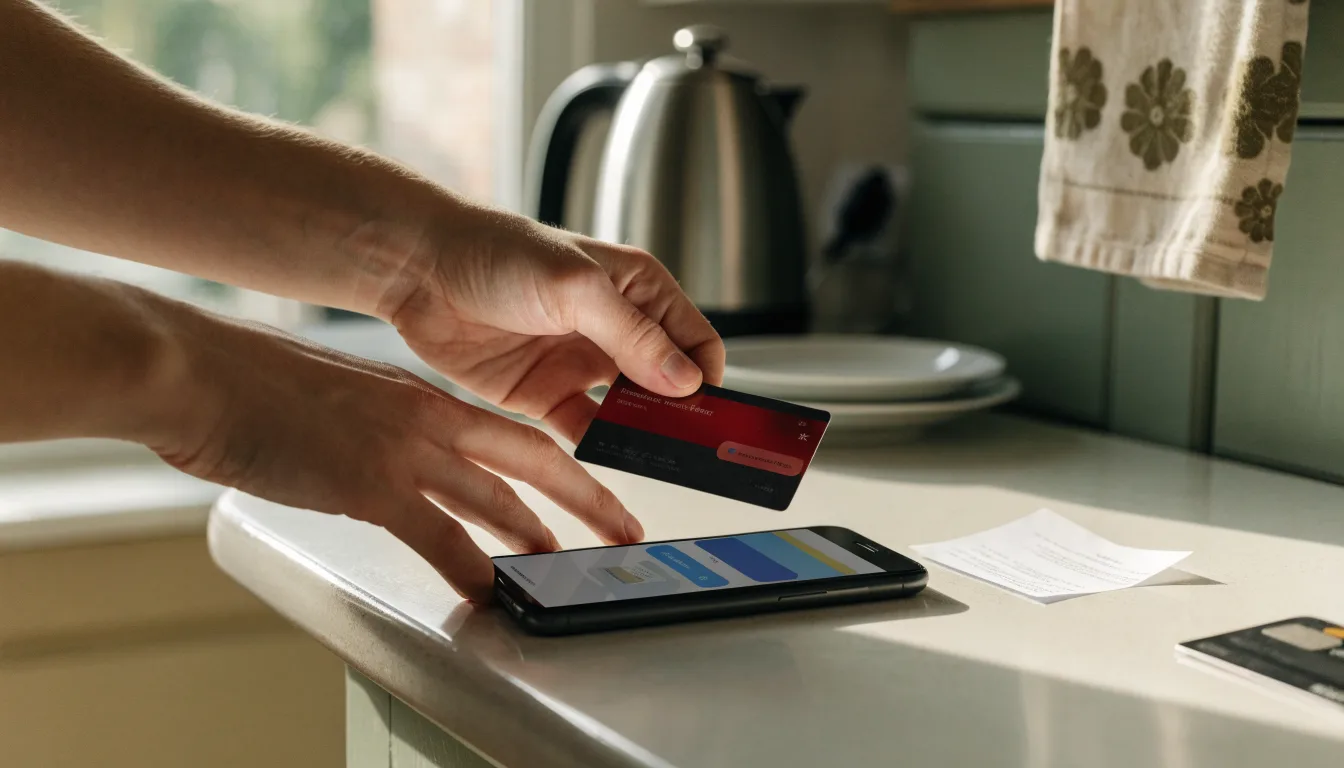
Crypto adds network variables, address risk and the question of whether the operator will approve and send the withdrawal promptly. Bitcoin targets a block every 10 minutes on average, but a given block is not guaranteed within that period. A transaction may await multiple confirmations. Litecoin’s 2.5-minute block interval is also an average, not an appointment. None of these methods makes an unlicensed operator safer. A fast transaction is still fast only when it arrives.
Best Gambling Sites UK Slots and Cashier Mechanics
A slots-focused page often treats payment choice as a footnote. That gets the emphasis backwards. Online slot stakes in Great Britain are subject to a maximum of £5 per game cycle for adults and £2 for adults aged 18 to 24; the limits took effect on 9 April and 21 May 2025 respectively. They apply to online slots, not roulette or blackjack. Offshore sites are not bound by UK licence conditions.
Payment convenience can make gambling feel frictionless. From 31 October 2025, gambling businesses must prompt customers to set a financial limit before their first deposit, make it easy to review or change, and remind customers every six months to review account and transaction information. Under RTS 12E, setting a limit must be the default option, and an action is needed to decline it. This is a rule about the deposit experience, not a decorative link buried in the account menu.
The UK framework also bans credit-card gambling with licensed remote operators. Since 14 April 2020, the ban has covered online casino, betting, bingo and lotteries; operators must also ensure money accepted from an e-wallet was not loaded from a credit card. That is a sensible boundary: an e-wallet should not become a cardboard cut-out through which prohibited credit money strolls.
This is a useful test of the difference between a payment feature and a protection. A site that makes deposits effortless but buries limit settings has its priorities upside down. “Best gambling slots sites UK” should not be answered by counting games or celebrating a one-tap deposit; payment controls matter too.
How Withdrawal Checks Work
A withdrawal may be delayed by identity or anti-money-laundering checks, but timing and communication matter. UK-licensed remote operators must establish and verify identity before permitting gambling. They should tell customers before a deposit what information or documents may be required and when. Electronic checks can be instant; document requests can take longer. The Commission does not set a universal duration for an identity check, so anyone promising one fixed turnaround is promising more than the regulator does.
The Commission’s licence condition says an operator must not make a withdrawal conditional on extra information it could reasonably have requested earlier. That does not prevent information being requested when another legal obligation requires it, including anti-money-laundering checks. The Commission says an operator with no regulatory concerns has no valid reason to delay a payout and should explain a delay or refusal, subject to restrictions such as anti-tipping-off rules.
A legitimate check is not permission to invent a new obstacle. Nor can an operator confiscate a customer’s deposit simply because identity documents have not been supplied. UK guidance says un-staked deposits remain the customer’s property, subject to legal obligations. The distinction matters: a delay may be justified by a real compliance requirement; forfeiture or a vague “we reserve the right” clause is a different proposition.
Warning signs include a new document demand at withdrawal where it could reasonably have been made sooner; vague, open-ended delay terms; a requirement to cancel a withdrawal and gamble the balance again; or a restriction blocking access to a deposit balance without proper legal reason. UK-licensed remote operators have been prohibited from offering reverse withdrawals since 31 October 2021. A pending withdrawal should not become a fresh stake in disguise.
Offshore operators do not sit under these UK rules. A foreign licence is not a British licence, and it does not give the Commission authority to resolve a dispute or compel payment. This is where “best non UK gambling sites” comparisons fail: a licence badge does not deliver the same rights.
Five Signs a Payment Setup Deserves Scrutiny
The Licence Matches the Site
Check the Gambling Commission’s public register and compare the operator’s legal name, licence activities and domain. A logo is not verification. If the domain does not match the register, the badge is decoration. The Commission specifically advises checking the register before gambling and ensuring listed domain names match.
Fees Are Stated Before Money Moves
Read the cashier and payment terms for deposit, withdrawal, conversion and inactivity charges. A provider’s fee may be separate from an operator fee. Skrill, for example, listed a 2.80% bank-transfer withdrawal fee with a EUR 3.50 minimum; check the provider’s current schedule and the currency conversion terms rather than relying on a headline “free” claim.
Withdrawal Conditions Are Specific
Look for a clear explanation of review stages, expected processing and possible documents. A promise of “instant” payment that leaves approval unexplained is not a timetable. Check for broad discretion to delay or void funds; UK fair-terms rules restrict unfair terms and practices. The law does not set a fixed maximum payout period, so clarity in the terms is not a nicety.

Complaints Have a Real Route
A licensed operator must provide an internal complaints process and, if a dispute remains unresolved to the customer’s satisfaction within eight weeks, access to an approved Alternative Dispute Resolution entity free of charge. The terms should identify its ADR provider. The Commission is a regulator, not an ombudsman, and cannot adjudicate an individual dispute or recover funds. A route that ends at “contact support” is not a complete route.
The Customer-Funds Rating Is Disclosed
Operators holding customer funds must state whether funds are protected in insolvency and at what level. “Held separately” is not guaranteed repayment. Find the required disclosure and note its rating: not protected, medium protection or high protection. The operator must make the status clear; the customer should not have to excavate the terms with a teaspoon.
A Practical Payment Check in Six Steps
- Confirm the British licence. Search the Gambling Commission register and match the operator and exact domain. This distinguishes a regulated service from an offshore site that cannot offer the same UK protections.
- Read withdrawal rules before depositing. Note processing stages, minimums, fees and when checks may be requested. This stops marketing language being mistaken for a binding timetable.
- Check the payment provider’s schedule. Look for withdrawal charges, currency conversion and inactivity fees. The casino’s “free” label may not cover a separate wallet or bank charge.
- Review identity-check information. UK operators should say what may be needed and when. A request at payout may be legitimate, but information reasonably obtainable earlier should not be deferred until withdrawal.
- Read the customer-funds and complaint disclosures. Identify the insolvency rating, internal complaints route and approved ADR provider. These details matter when the routine process fails.
- Keep dated records. Save relevant terms, receipts and operator messages. If a dispute arises, a clear timeline is more useful than screenshots without dates.
These are ordinary checks, not a recipe for avoiding verification. They do not turn an unlicensed site into a licensed one. The Commission advises checking its register and confirming the activities and domain names match. Payment rails are plumbing; the licence is the inspection certificate for the building.
Questions About UK Gambling Payments
What Is the Best UK Gambling Site for Withdrawals?
There is no reliable universal winner. The Commission’s June–September 2024 data shows 96.3% of withdrawals at large operators cleared automatically, but that is not an operator ranking and does not promise when money reaches a bank. Compare licensing, terms, fees, verification and complaints rather than relying on a “fast payout” slogan. The best comparison is about the whole process, not the final network hop.
Are Offshore Gambling Sites Licensed in Great Britain?
No. A site holding a licence elsewhere is not thereby licensed by the Gambling Commission. The Commission says offering commercial gambling to consumers in Great Britain without its licence is illegal, including when an operator has an overseas licence. UK protections, oversight and the British complaint framework do not apply. A foreign badge is not a substitute, however polished the cashier looks.
Why Can a Licensed Casino Hold a Withdrawal?
Identity or anti-money-laundering obligations may require checks, and document requests can take longer than electronic checks. But UK rules say a withdrawal must not trigger a demand for information the operator could reasonably have requested earlier. If payout is delayed, the operator should explain why unless a legal restriction prevents disclosure. A check can justify a pause; it does not automatically justify confiscation.
Are Crypto Gambling Payments Faster?
Not necessarily. Bitcoin targets a block every 10 minutes on average, and many merchants or exchanges require six confirmations; neither figure includes operator approval or release. Crypto transfers also depend on the correct address and network. A fast blockchain cannot guarantee a fast casino withdrawal, and crypto does not give an offshore operator UK obligations. Network speed is not a substitute for an enforceable complaint route.
Do UK Gambling Sites Charge Withdrawal Fees?
The payment provider may charge even where the operator does not. Skrill’s schedule displayed on 6 November 2026 listed a 2.80% fee, minimum EUR 3.50, to transfer from a Skrill account to a bank account; conversion can add a separate charge. Check both operator terms and provider fees, including currency used. PayPal’s UK personal-account bank withdrawal is fee-free where no conversion applies, but route availability varies.
What Help Is Available if Gambling Is Causing Harm?
The National Gambling Helpline, operated by GamCare, is free on 0808 8020 133, 24 hours a day, every day, with live chat and WhatsApp also available. GamStop exclusions cover participating Great Britain-licensed online operators and remain in place for the full chosen term, then until the person contacts Gamstop to remove them. Offshore sites are not a way around that exclusion.
The Real Measure Is the Rule Behind the Payment
A payment method can be quick, costly or unpredictable, but the meaningful comparison is whether the operator is accountable when it is not routine—and 96.3% of large-operator withdrawals cleared automatically in June to September 2024.
UK Gambling Sites – Casino Not on GamStop
Content created by the «Casino Not on GamStop» team